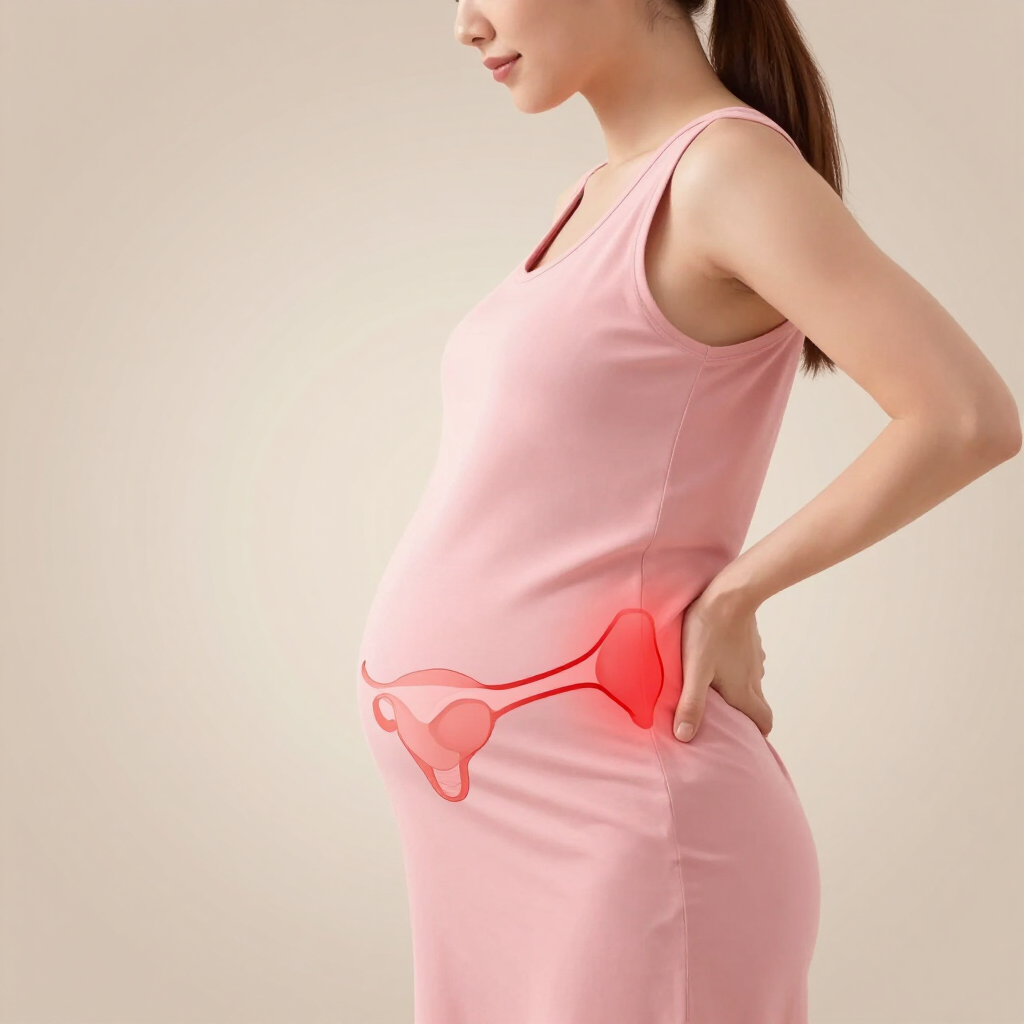
Diastasis Recti
Diastasis Recti: What It Is and Your Recovery Options

If you're still seeing a visible bulge or gap down the center of your abdomen months after delivery, or your core feels weak and disconnected no matter how many crunches you attempt, you may be dealing with diastasis recti — and there's a right way and a wrong way to approach recovery.
What Diastasis Recti Actually Is
Diastasis recti is a separation of the two sides of the rectus abdominis muscle (the "six-pack" muscle) along the connective tissue at the midline, called the linea alba. Some degree of separation is a completely normal part of pregnancy — the abdominal wall has to stretch to accommodate a growing baby. For many women it narrows on its own in the months after birth; for others, meaningful separation persists well beyond the postpartum period without targeted intervention.
It's assessed by feeling for the gap and its depth a few finger-widths above, at, and below the belly button, usually while lying down with the head and shoulders slightly lifted. Both the width and, just as importantly, the tension and depth of the connective tissue matter for understanding severity — a narrow but very shallow gap can actually be more functionally significant than a wider one with good tension.
Why It Matters Beyond Appearance
Diastasis recti isn't just a cosmetic concern. The linea alba plays a real role in core stability, and significant separation can contribute to low back pain, pelvic floor dysfunction, and a feeling of core weakness or instability during everyday activities like lifting your baby or getting up from the floor.
Because the deep core, pelvic floor, and diaphragm work as a coordinated system, a significant diastasis can also show up indirectly — as pelvic floor symptoms like leaking with a cough or sneeze, or as a sense that your midsection just isn't "holding you together" the way it used to, even without any visible doming.
What the Research Says
Research supports a specific, progressive approach to core rehabilitation — starting with deep core activation (transverse abdominis and pelvic floor coordination) before layering in more demanding movements. Traditional crunches and sit-ups are generally discouraged in early recovery, since they can increase intra-abdominal pressure and doming at the gap rather than closing it. Physical therapy with a pelvic floor specialist has the strongest evidence base for structured diastasis recti recovery.
How Chiropractic Care Fits In
We assess pelvic and spinal alignment, since postural compensation patterns often accompany diastasis recti, and can contribute to the low back and pelvic discomfort that frequently comes with it. We also screen for diastasis as part of standard postpartum visits and will refer you to a pelvic floor physical therapist for dedicated core rehabilitation when that's the more appropriate primary treatment — we see our role as a complement to that work, not a replacement for it.
Recovery timelines vary widely from person to person, and factors like the number of pregnancies, genetics, and how much dedicated rehab time you're able to fit in with a newborn all play a role. We'd rather set realistic expectations from the start than let you compare your progress to someone else's very different starting point.
Disclaimer
The information in this article is provided for general educational purposes only and is not intended to diagnose, treat, cure, or prevent any disease or medical condition, and should not be interpreted as personalized medical advice. Reading this article does not create a doctor-patient relationship between you and West University Wellness or any of its practitioners.
Before beginning chiropractic care or any complementary therapy postpartum, please consult your OB/GYN, midwife, or primary care provider, particularly to rule out underlying medical causes of your symptoms and to confirm you've been cleared for the type of care you're considering.
If you experience heavy or worsening vaginal bleeding, a fever over 100.4°F, severe headache with vision changes, chest pain or difficulty breathing, calf pain or swelling, or thoughts of harming yourself or your baby, contact your doctor immediately or go to the emergency room — these can indicate postpartum hemorrhage, infection, preeclampsia, blood clots, or postpartum depression requiring urgent medical or mental health care. If you're in crisis, the 988 Suicide & Crisis Lifeline is available 24/7 by call or text.
Individual results vary, and no specific outcome is guaranteed. The research on chiropractic care for this topic is still developing, and chiropractic care should not be relied upon as a sole treatment where medical evaluation and management are indicated.
West University Wellness and its practitioners make no representations or warranties regarding the completeness, accuracy, or applicability of this information to any individual case, and disclaim liability for decisions made based on this content without direct consultation with a qualified healthcare provider.