Scoliosis

West University Wellness
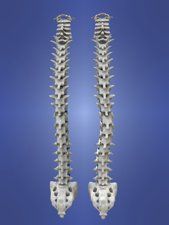
Scoliosis
Scoliosis

Having been diagnosed with scoliosis as a teenager, Dr. Long is very familiar with scoliosis (abnormal lateral curvature of the spine) and its effects on the body.

  • If younger scoliosis patients are treated before their growth spurt, chiropractic can help diminish the abnormal curve and assist the spine in growing as straight as possible!
  • For adults with scoliosis, adjustments can help to keep the spine flexible instead of building tension on the misaligned vertebrae
  • Chiropractic treatments for your spine are like braces for your teeth
  • You cannot expect change to happen overnight, but gradual correction helps the bones to align straighter

By Caroline Long August 12, 2026
Natural Relief Options for Round Ligament Pain
By Caroline Long August 11, 2026
CBD vs. Marijuana: What's the Difference, and Is CBD Safe for You and Your Family?
By Caroline Long August 3, 2026
West University Wellness | Blog Post westuwellness.com/blog | Pregnancy Chiropractic | Labor Preparation How Chiropractic Care May Support an Easier Birth For many expecting mothers, the final weeks of pregnancy bring a mix of excitement and apprehension about labor. While no one can predict exactly how a birth will unfold, there is growing evidence that preparing the body — specifically the pelvis and nervous system — may play a meaningful role in supporting a smoother labor experience. At West University Wellness, chiropractic care for labor preparation is one of the most requested services we offer. Here’s what the research suggests and what you can expect. The Pelvis Is the Pathway During labor, your baby must navigate through the pelvis to be born. The shape, alignment, and mobility of your pelvic bones and sacrum directly affect how much room your baby has to descend and rotate through the birth canal. When the pelvis is misaligned or the sacrum is subluxated, that pathway can become narrower or asymmetrical — which may contribute to a longer, more difficult labor. Chiropractic care focuses on restoring optimal alignment to the sacrum and pelvis throughout pregnancy so that when labor begins, your body is as prepared as possible for the work ahead. What Research Suggests Published studies and clinical observations through the International Chiropractic Pediatric Association (ICPA) and other research bodies have suggested that women who receive chiropractic care during pregnancy may experience: • Reduced labor time, particularly in first-time mothers • A lower likelihood of needing obstetric interventions • Improved pelvic mobility and function during the pushing stage • Less back labor pain related to sacral compression It is important to note that these findings are observational and individual results always vary. Chiropractic care is a supportive therapy — not a guarantee of any specific birth outcome. We always encourage our patients to discuss their full care plan with their OB-GYN or midwife. Labor Preparation Technique at West University Wellness At West University Wellness, we offer a specialized Labor Preparation Technique for patients who have reached 40 weeks of gestation. This integrative approach combines several natural methods to support the body’s readiness for birth: • Chiropractic adjustments that stimulate the parasympathetic nervous system and support pelvic balance • Acupuncture points specifically selected to help ripen the uterus and encourage the onset of labor • Manual therapy to relax the round ligaments and other pelvic ligaments • Aromatherapy using essential oils with traditional associations with labor encouragement This technique is most effective when performed right at or after 40 weeks gestation, and is offered by our Webster-certified doctors in coordination with your birth team. The Nervous System Connection Chiropractic care works directly with the nervous system — and the nervous system orchestrates every aspect of labor, from the onset of contractions to the coordination of pushing. When the spine is properly aligned, nerve signals travel more freely between the brain and the uterus, cervix, and pelvic muscles. Subluxations in the lumbar spine and sacrum can interfere with those signals. By keeping the spine clear of interference throughout pregnancy, we aim to support the body’s natural labor process from the inside out. What You Can Do to Prepare In addition to chiropractic care, here are some complementary strategies to support your body as you approach labor: • Stay active with daily gentle walking to encourage the baby to engage in the pelvis • Use a birthing ball to encourage an upright, forward-leaning posture that supports optimal fetal positioning • Practice deep breathing and relaxation techniques to support the parasympathetic nervous system • Discuss your birth plan with your full care team, including your chiropractor, OB-GYN, and midwife A Partner in Your Birth Preparation We believe that informed, proactive care leads to better birth experiences. Whether this is your first pregnancy or your fourth, our team is here to help your body be as ready as possible for the journey ahead. If you’re approaching your due date and haven’t yet started chiropractic care, it’s not too late. Come in and let’s talk about how we can support you in these final weeks. Book a Consultation at West University Wellness DISCLAIMER The content in this blog post is intended for general informational and educational purposes only. It does not constitute medical advice, chiropractic diagnosis, or a treatment plan, and should not be used as a substitute for professional medical or chiropractic care. West University Wellness and its doctors make no guarantees regarding outcomes of chiropractic care. Individual results vary based on a patient’s unique health history, condition, and response to treatment. Chiropractic care during pregnancy, including the Webster Technique, is performed on the mother to reduce pelvic subluxation and intrauterine constraint — it is not a procedure performed directly on the baby, and outcomes related to fetal positioning cannot be guaranteed. Always consult with your licensed chiropractor, OB-GYN, midwife, or primary healthcare provider before making any decisions about your care or your child’s care. Do not delay seeking professional medical advice based on anything you have read in this blog. Book a Consultation
By Caroline Long July 31, 2026
Posture and Screen Time in Kids: Building Healthy Habits Early
By Caroline Long July 26, 2026
What to Expect
By Caroline Long July 23, 2026
West University Wellness | Blog Post westuwellness.com/blog | Breech Baby | Pregnancy Chiropractic How Chiropractic Care Can Help When Your Baby is Breech Finding out your baby is breech can feel alarming — especially as your due date approaches. You may have questions about what it means, what your options are, and whether there’s anything you can do to support a better outcome. You’re not alone. At West University Wellness, this is one of the most common conversations we have with expecting mothers in their second and third trimesters. The good news is that chiropractic care — specifically through a technique called the Webster Technique — may play a meaningful supportive role. Here’s what you need to understand. What Does It Mean When a Baby is Breech? A baby is considered breech when they are positioned feet-first or bottom-first in the uterus, rather than head-down (vertex position), which is the optimal position for a vaginal birth. Most babies naturally move into the head-down position by 36 weeks, but some do not — and when that happens, many care providers begin discussing interventions. There are several types of breech presentations: • Frank breech: baby’s bottom is down, legs are straight up toward the head • Complete breech: baby is sitting cross-legged • Footling breech: one or both feet are pointing downward In many cases, a baby’s inability to move into the head-down position is related to tension and imbalance in the mother’s pelvis and surrounding structures — not a fixed problem with the baby. Why Pelvic Balance Matters for Fetal Positioning The uterus is not a free-floating structure. It is supported by a network of ligaments — including the round ligaments and uterosacral ligaments — that attach to the pelvis and sacrum. When the pelvis is misaligned or the sacrum is subluxated, these ligaments can become uneven in their tension, which may restrict the amount of space available inside the uterus. This condition, known as intrauterine constraint, can limit a baby’s ability to move freely and find the optimal position for birth. In other words, the baby may not be breech because something is wrong — they may simply not have enough room to move. How Chiropractic Care May Help This is the key distinction that surprises many of our patients: chiropractic care for a breech presentation is performed entirely on the mother, not the baby. Our goal is to reduce pelvic subluxation and relieve intrauterine constraint — giving your baby the optimal environment and room to move into the best possible position for birth on its own. At West University Wellness, we use the Webster Technique — a specific chiropractic analysis and adjustment of the sacrum and pelvis — along with gentle soft tissue work on the round ligaments. By restoring balance to the mother’s pelvic structures, we aim to create more symmetrical space in the uterus so the baby has the freedom to reposition. Research published through the International Chiropractic Pediatric Association (ICPA) suggests that Webster Technique care may support optimal fetal positioning. Many of our patients — and the midwives and OB-GYNs who refer to us — have seen encouraging results, though individual outcomes always vary. It is important to understand that chiropractic care does not physically move or reposition the baby. What we do is address the underlying pelvic imbalance that may be restricting your baby’s movement — and allow the body’s own intelligence to take over from there. When Should You Come In? If your care provider has identified a breech presentation, we recommend coming in as soon as possible — ideally before 36 weeks, when there is still maximum room for movement. That said, we have worked with mothers at later stages of pregnancy as well. At your first visit, one of our Webster-certified doctors will: • Evaluate your pelvic alignment and sacral position • Assess tension in the round ligaments and uterine supporting structures • Discuss your pregnancy history, birth plan, and any concerns • Create a gentle, trimester-appropriate care plan tailored to you We proudly have more Webster-certified chiropractors than any other practice in Houston — and each of our doctors has taken over 300 additional hours of training in pregnancy and pediatric chiropractic care. What You Can Do at Home In addition to chiropractic care, there are gentle complementary approaches that some expecting mothers find helpful. Always discuss these with your chiropractor or OB-GYN first: • Avoid deep-seated or reclined positions that may encourage the baby to stay bottom-down • Use a pregnancy pillow to support a side-lying sleep position with knees level • Stay active with gentle walking which may help encourage movement and optimal positioning • Consider a birthing ball to encourage pelvic mobility and an upright posture You Have More Options Than You May Think A breech presentation does not have to mean an automatic C-section or a stressful end to your pregnancy. There are proactive, gentle steps you can take — and chiropractic care is one of them. At West University Wellness, we partner with expecting mothers at every stage of pregnancy to support their body’s natural ability to prepare for birth. If your baby is breech, we’d love to be part of your care team. Book a Consultation at West University Wellness DISCLAIMER The content in this blog post is intended for general informational and educational purposes only. It does not constitute medical advice, chiropractic diagnosis, or a treatment plan, and should not be used as a substitute for professional medical or chiropractic care. West University Wellness and its doctors make no guarantees regarding outcomes of chiropractic care. Individual results vary based on a patient’s unique health history, condition, and response to treatment. References to research or clinical observations are general in nature and do not imply that specific results will be achieved. Chiropractic care during pregnancy, including the Webster Technique, is performed on the mother to reduce pelvic subluxation and intrauterine constraint — it is not a procedure performed directly on the baby, and outcomes related to fetal positioning cannot be guaranteed. Always consult with your licensed chiropractor, OB-GYN, midwife, or primary healthcare provider before making any decisions about your care. Do not delay seeking professional medical advice based on anything you have read in this blog. If you have questions about whether chiropractic care is appropriate for you or your pregnancy, we encourage you to schedule a consultation with our experienced team. Book a Consultation
More Posts